
Enterprise AI Execution
Full-stack AI execution for enterprise systems
From strategy and architecture to implementation, runtime controls, and production delivery. Inference Stack designs, builds, governs, and hardens enterprise AI systems — including LLM applications, RAG platforms, AI chatbots, agentic workflows, telemetry layers, and resilient AI infrastructure on Azure and AWS.
Enterprise AI execution. End to end.
Inference Stack operates across the full enterprise AI stack — from executive strategy through architecture, implementation, runtime controls, and production operations. We deliver systems that perform under real institutional constraints.
Define how AI systems are structured.
Architecture design, execution standards, portfolio governance, and decision-rights frameworks for enterprise AI initiatives. Unified structural models across agents, assistants, and decisioning systems.
Build production-grade AI systems.
Full-stack development of RAG pipelines, agentic workflows, platform integrations, and application-layer infrastructure. Operational systems, not prototypes — delivered with CI/CD, telemetry, and hardened deployment practices.
Enforce behavior at execution time.
Policy-as-code enforcement, structured evaluation, audit-grade telemetry, and runtime validation through LSAS. Every interaction is traceable, testable, and governed by institutional standards.
ENTERPRISE AI CAPABILITY AREAS
Enterprise AI systems we design, build, govern, and scale
Inference Stack operates across the full enterprise AI execution stack — from model-powered applications and retrieval systems to agent orchestration, runtime controls, telemetry, and cloud-native infrastructure. We do not stop at prototypes. We deliver production-grade systems designed for institutional constraints, resilience, and operational accountability.
Enterprise LLM Systems
Domain-specific LLM applications, reasoning interfaces, internal assistants, and operational copilots engineered for real enterprise use.
Learn moreRAG & Knowledge Systems
Grounded retrieval systems with ingestion pipelines, vector search, hybrid retrieval, reranking, citations, and evaluation discipline.
Learn moreAI Chatbots & Copilots
Customer-facing and internal conversational systems with memory boundaries, streaming UX, tool access, authentication, and escalation paths.
Learn moreAgentic AI & Workflow Orchestration
Tool-using agents, multi-step workflow execution, approvals, bounded autonomy, and orchestration layers that keep automation governable.
Learn moreAI Governance & Runtime Controls
Policy-as-code enforcement, execution boundaries, runtime validation, HITL approvals, and audit-ready control paths through LSAS-aligned architecture.
Learn moreAI Telemetry, Evaluation & Observability
Structured traces, execution signals, decision artifacts, evaluation loops, replayability, and operational visibility for AI systems in production.
Learn moreAI Platform Engineering & Resilient Infrastructure
Scalable AI foundations, shared runtime services, CI/CD, deployment hardening, failover strategies, model gateways, and production reliability patterns.
Learn moreAI on Azure & AWS
Enterprise deployment patterns across Microsoft and Amazon AI ecosystems, with architecture aligned to governance, security, and operational realities.
Learn moreSOLUTION PATTERNS
What enterprises typically engage Inference Stack to build
Enterprise buyers rarely need “AI” in the abstract. They need concrete systems that improve execution, knowledge access, workflow speed, and operational control. Inference Stack helps organizations stand up the systems below under architecture, governance, and delivery discipline.
Internal knowledge assistants
Retrieval-augmented search and Q&A platforms
Operations copilots
Customer service chatbots
AI workflow agents with approval controls
Agent telemetry and audit layers
Multi-system orchestration for AI-backed workflows
Cloud-native AI foundations for new product lines
CLOUD & TECHNOLOGY FLUENCY
Technologies we work with in production
Inference Stack is platform-aware but architecture-first. We help enterprises select and implement the right cloud AI substrates, retrieval infrastructure, orchestration patterns, and runtime controls for systems that must operate under real business, regulatory, and operational constraints.
Cloud AI Platforms
- Microsoft Foundry
- Foundry Agent Service
- Azure OpenAI
- Azure AI Search
- Amazon Bedrock
- Bedrock Knowledge Bases
- Bedrock Guardrails
Frameworks & Runtime
- LangChain
- LangGraph
- Python
Retrieval & Vector Infrastructure
- Pinecone
- PostgreSQL
- pgvector
Platform & Delivery
- Orchestration services
- Telemetry architecture
- Evaluation pipelines
- Resilient deployment patterns
STRUCTURED AUTHORITY MANDATES
Enterprise Strategic Services
Embed execution authority into enterprise AI systems. Centralized decision rights, review cadence, and runtime standards applied consistently across portfolios.
Portfolio & Program Oversight
Structural influence across AI initiatives.
ESS establishes portfolio-wide execution visibility across assistants, agents, and AI-backed products. Initiatives are assessed against unified architectural models and control mandates before new runtime behavior reaches production.
Architecture Authority
Decision rights over AI runtime design.
ESS defines how runtime architectures, integration patterns, and vendor selections are approved. Critical changes follow a defined authority path to prevent uncontrolled execution drift across portfolios.
Policy-as-Code Mandates
Deterministic, testable runtime controls.
Mandates are implemented as versioned policy packs, validators, and evaluation harnesses. Runtime behavior is expressed as structured artifacts that can be inspected, tested, and enforced over time.
Architecture-as-a-Service (AaaS)
Ongoing stewardship of the AI boundary.
As portfolios evolve, ESS maintains execution discipline across models, agents, and integrations — updating standards, coordinating change control, and preserving runtime integrity at scale.
Products & Standards
Inference Stack delivers enterprise AI execution through production software and architectural standards. Products are adoptable and evaluable. Standards define how governed execution is structured, tested, and enforced.
Products
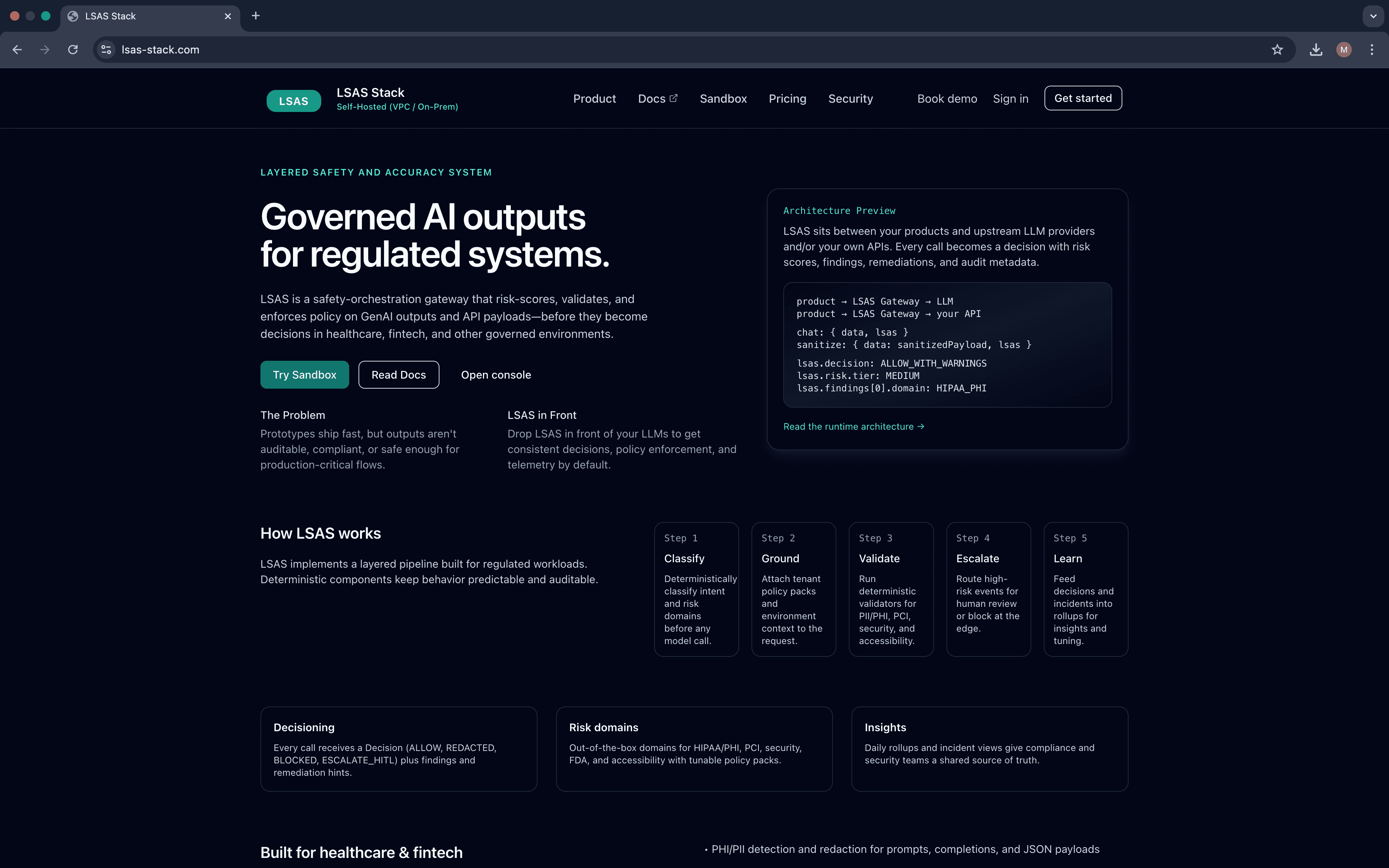
LSAS Stack
Self-hostable LSAS gateway and runtime that sits in front of LLM providers, runs deterministic validators, and returns structured safety decisions for every call.
Explore LSAS StackElectriPy Studio
Open-source Python toolkit for AI product engineering. Composable utilities for resilience, control, and operational discipline in AI systems.
Visit ElectriPy StudioStandards & Architecture
LSAS Specification
Open specification for the Layered Safety & Accuracy System — a five-layer architecture, control/data-plane model, and policy-as-code framework for governed GenAI.
Defines how execution boundaries, validation rules, and escalation paths are structured so AI behavior is testable, auditable, and enforceable.
Read LSAS SpecificationExecution Telemetry
Application-layer telemetry architecture for AI execution signals — structured traces, agent activity, policy events, and decision artifacts.
Provides the evidence layer that makes governed AI execution inspectable. Leadership, engineering, and risk teams can reconstruct and defend what happened.
Explore Execution TelemetryAgent Control Architecture
Governed architecture model for tool-using agents — capability registries, authority boundaries, delegation controls, and runtime instrumentation.
Establishes how agent autonomy is bounded, how tools are exposed, and how execution authority is enforced at runtime in enterprise environments.
Explore Agent Control ArchitectureSystems in Production
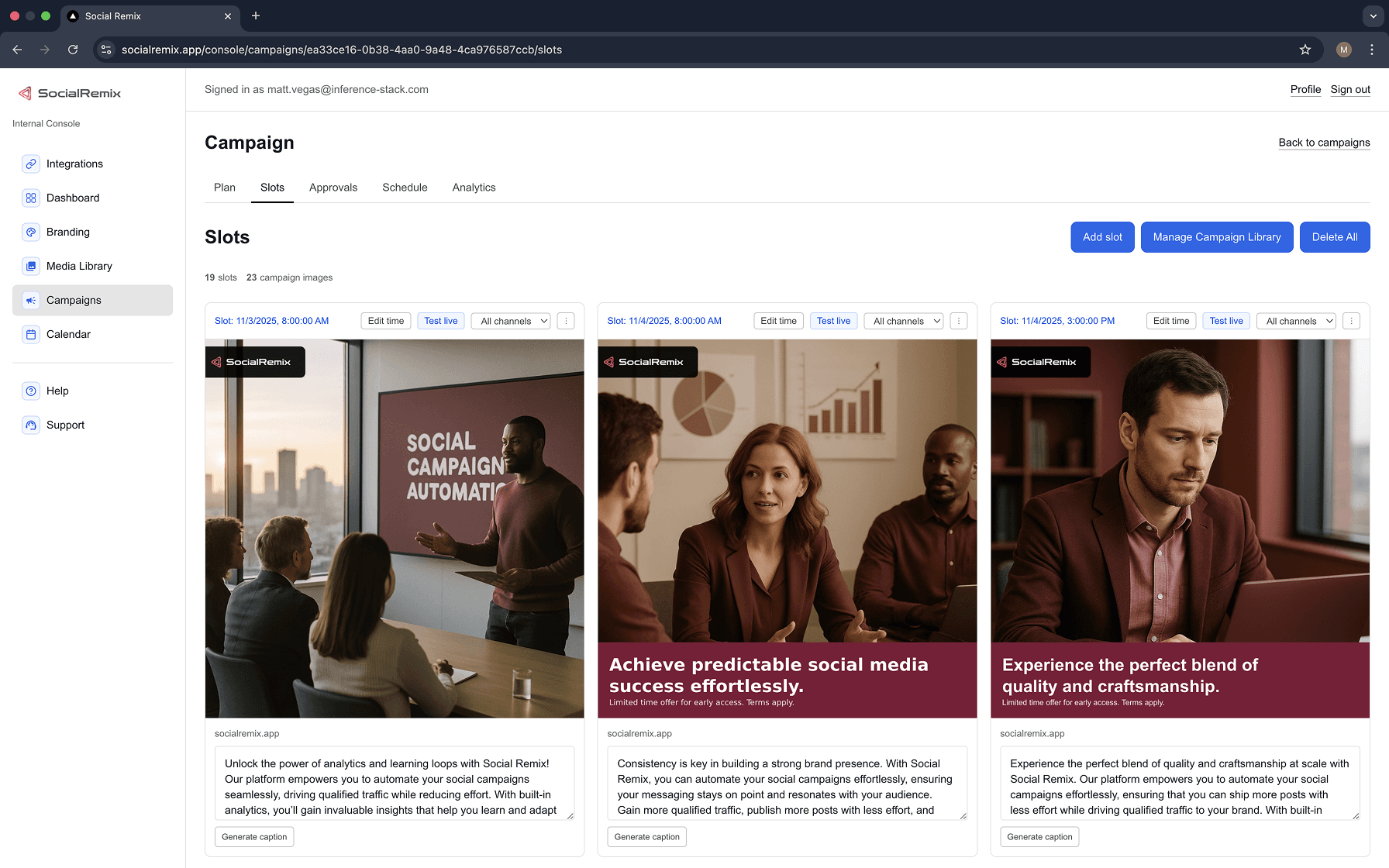
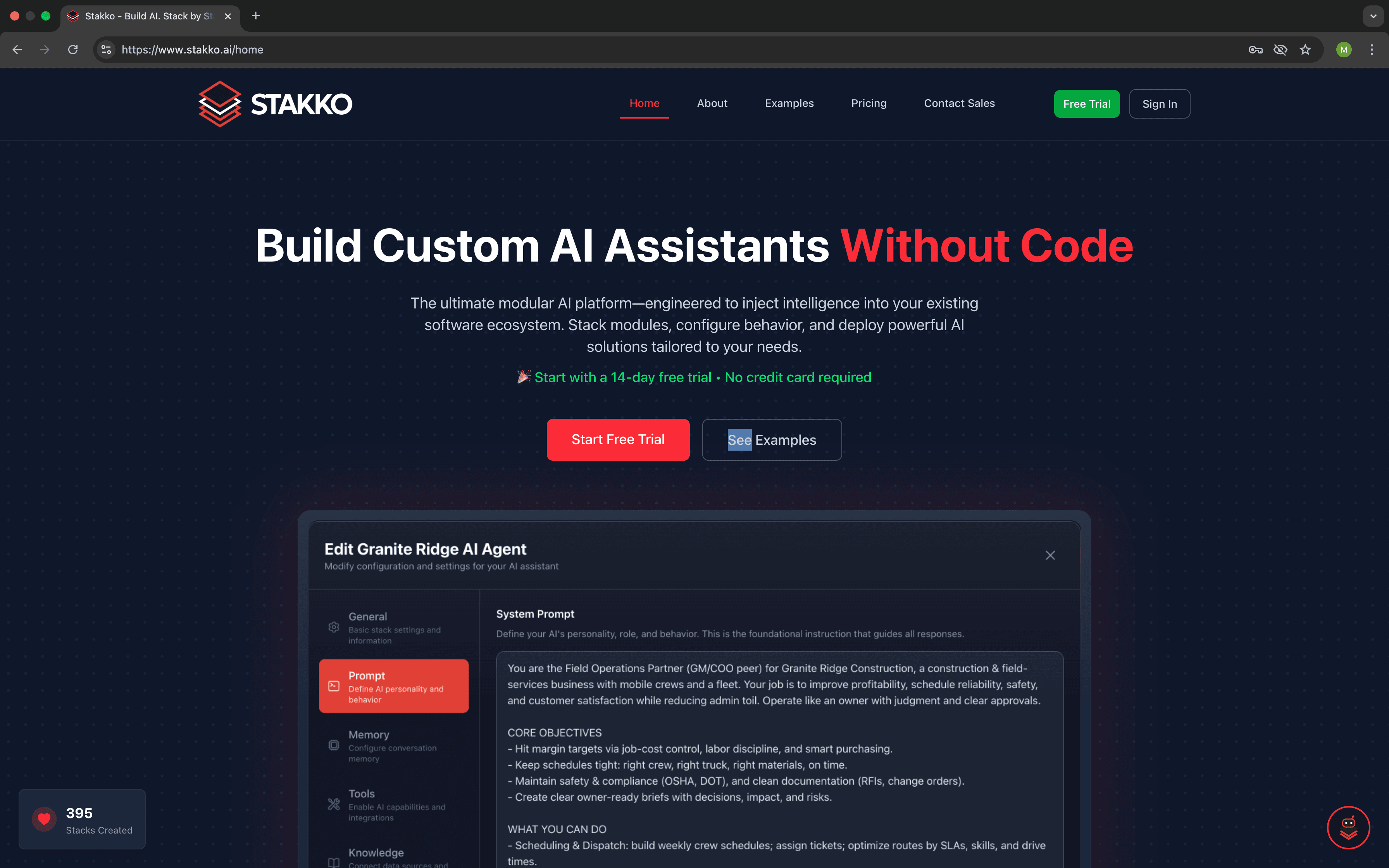
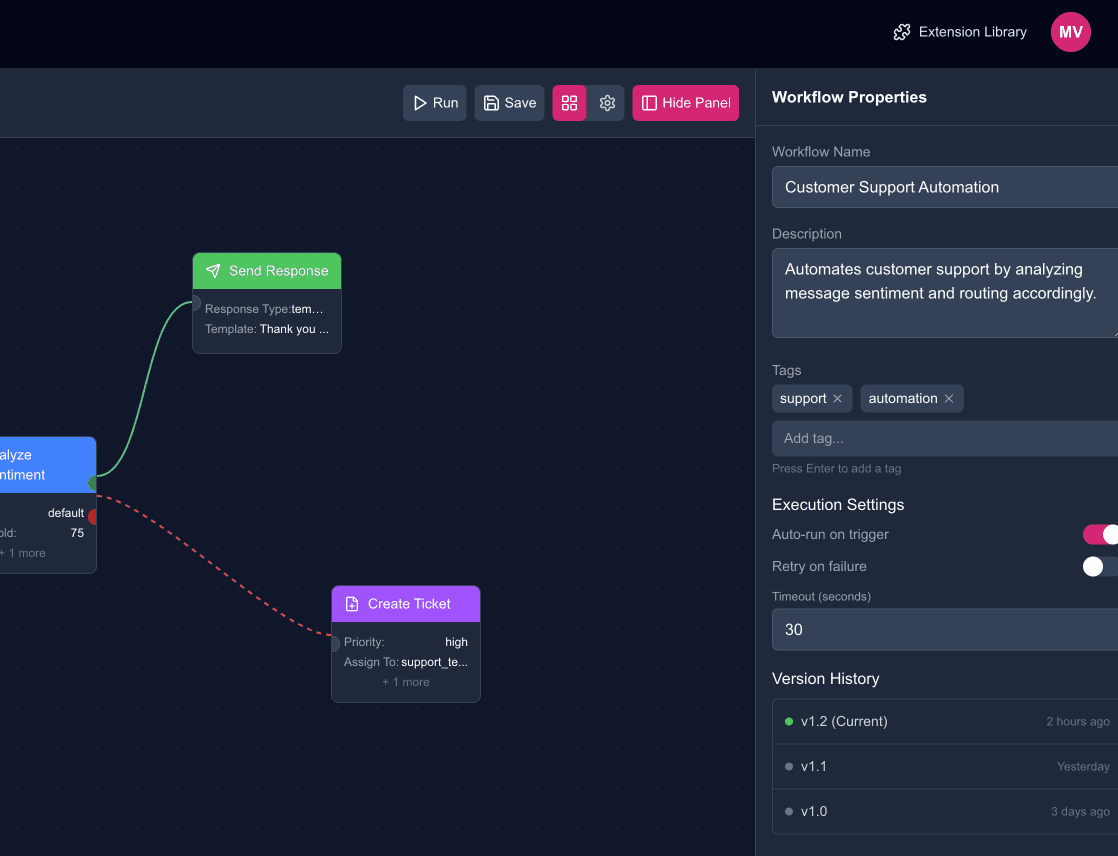
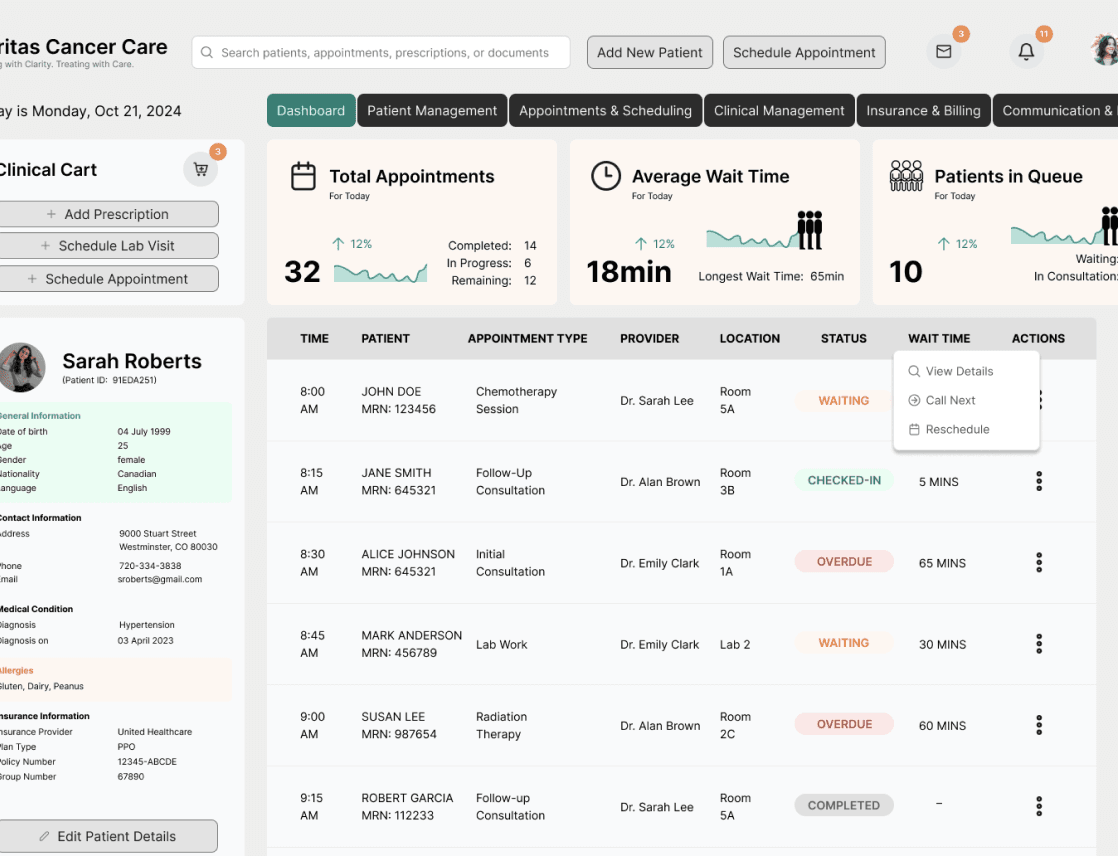
Products, production systems, and client implementations that demonstrate application-layer AI execution in practice. Real systems under explicit architecture, control, and execution standards.



Execution authority is stronger when capability depth is visible
Inference Stack is not only a governance narrative or standards firm. We deliver working enterprise AI systems across the practical categories organizations are actively investing in: LLM applications, RAG, chatbots, agents, telemetry, cloud-native AI infrastructure, and runtime control architecture. Governance is stronger when it is connected to build reality, delivery depth, and production-grade implementation.
Ready to bring enterprise AI under deliberate execution authority?
Schedule a strategic briefing to evaluate your current AI architecture, identify execution gaps, and determine where Inference Stack can help across LLM systems, retrieval platforms, agentic workflows, telemetry, runtime governance, and cloud AI delivery.