
Execution in Practice
Our Work
The following engagements illustrate how Inference Stack embeds execution authority into enterprise AI systems. Each case reflects architectural control at the application layer — not experimental pilots or advisory slideware.
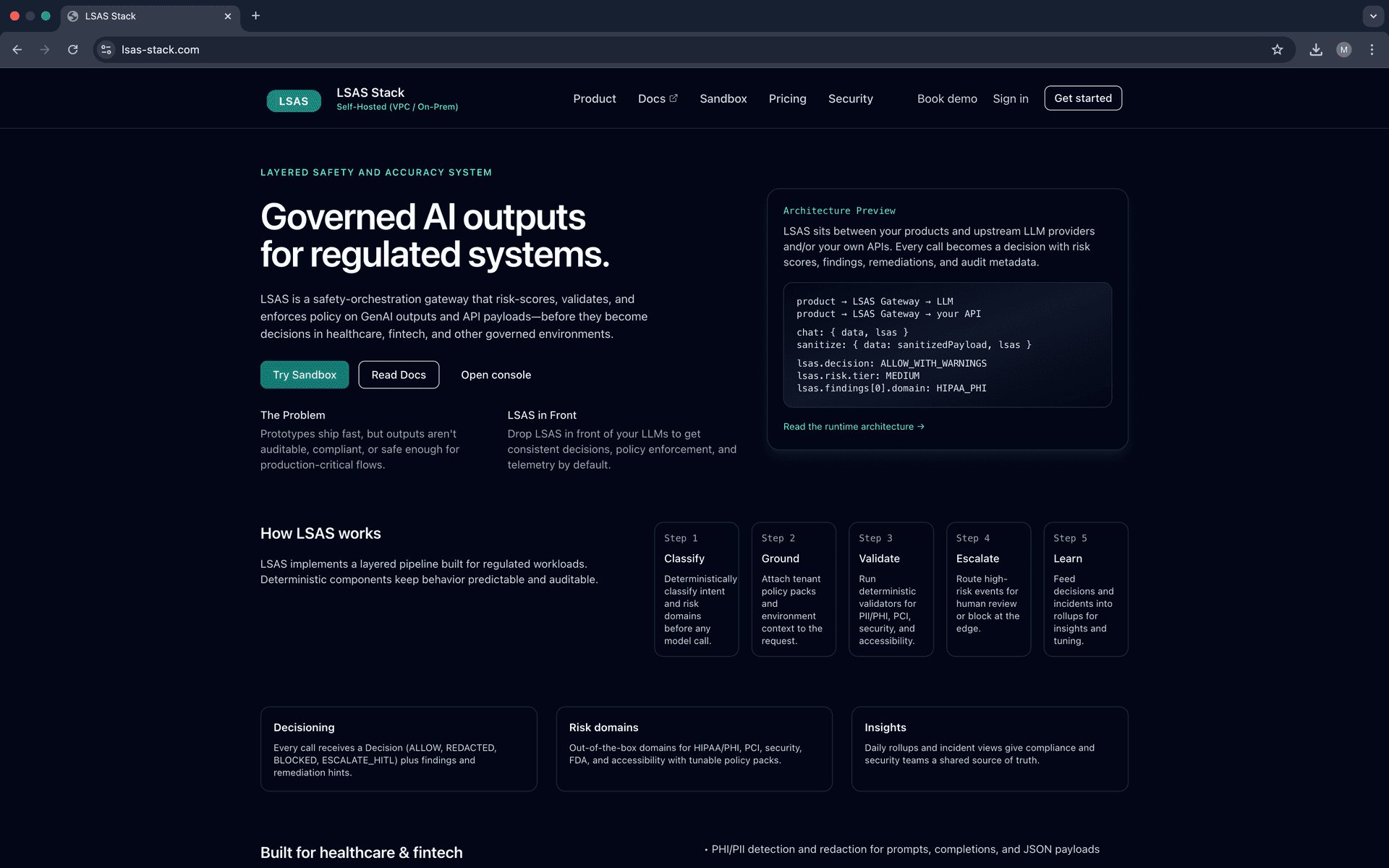
Execution Boundary for Clinical AI Workflow
Context
A healthcare organization required strict architectural control before deploying a GenAI assistant into live clinical workflows. Early pilots lacked a defined execution boundary around model outputs and tool invocations.
Execution Authority Applied
An application-layer control plane was introduced to classify intent, validate high-impact responses, and formalize runtime behavior as structured execution standards rather than informal guidance.
Architecture Introduced
All prompts and tool plans were routed through deterministic validation pipelines that produced structured decision artifacts and runtime traces before reaching clinical APIs.
Operational Outcome
The organization transitioned to production with defined execution boundaries, measurable runtime metrics, and reconstructable incident paths — without slowing adoption.
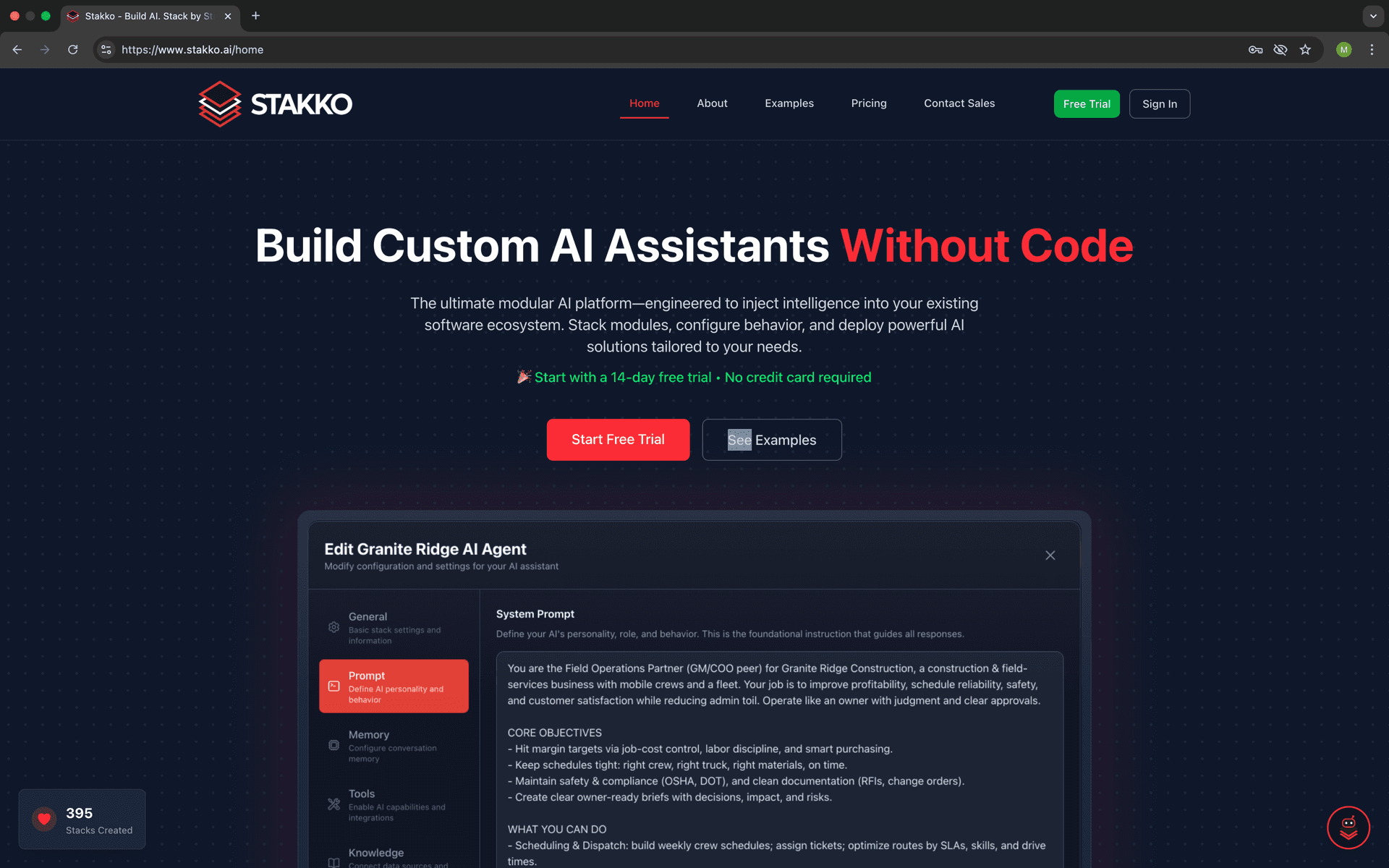
Application-Layer Control Plane for Revenue AI
Context
A SaaS company introduced AI assistants across CRM, marketing, and billing systems and required structural authority over automated actions.
Execution Authority Applied
Capability registries and authority tiers defined which actions could execute autonomously and which required additional validation or escalation.
Architecture Introduced
A centralized execution boundary mediated all AI-initiated operations, emitting structured decision artifacts integrated into operational dashboards.
Operational Outcome
AI-driven automation accelerated while preserving inspectable, versioned execution standards aligned with institutional controls.
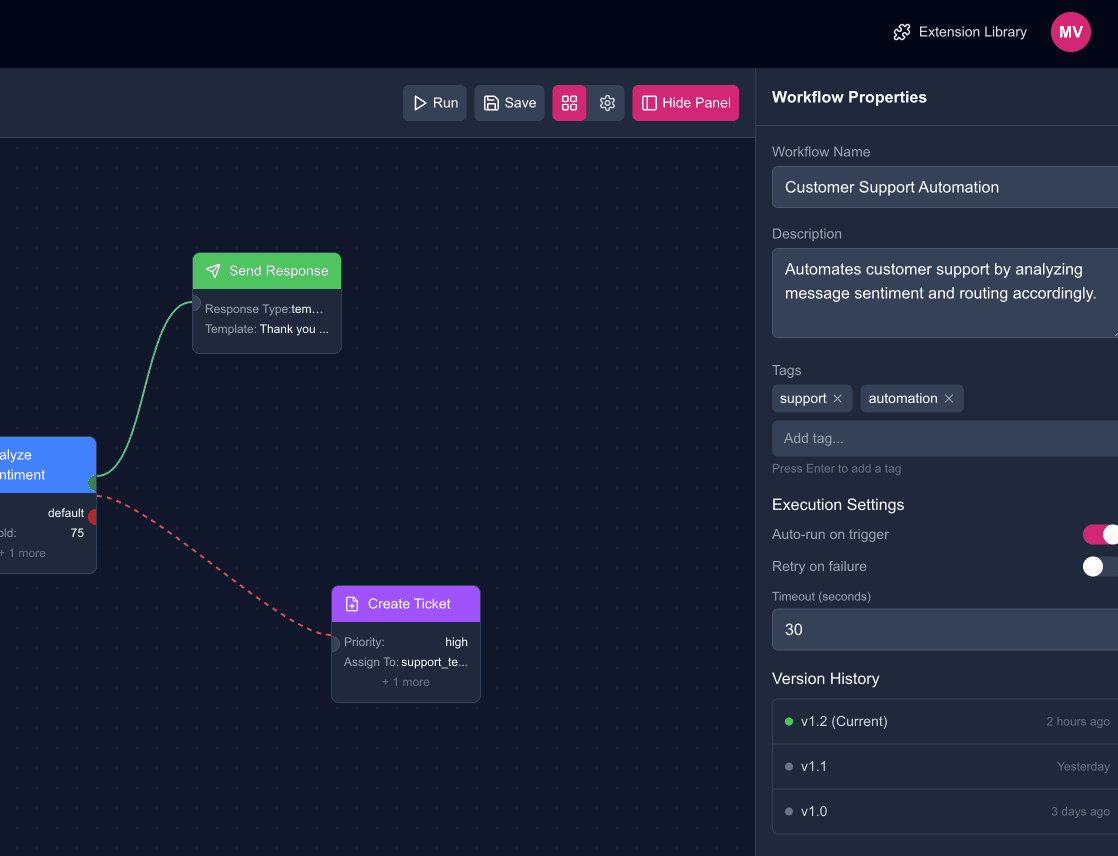
Portfolio-Level AI Execution Model
Context
An investment platform introduced AI across multiple portfolio companies and required a unified execution standard to prevent architectural divergence.
Execution Authority Applied
Portfolio-wide execution standards were defined for application-layer control, runtime instrumentation, and authority boundaries.
Architecture Introduced
A shared execution control plane standardized decision schemas, telemetry structures, and runtime validation patterns across deployments.
Operational Outcome
AI became a repeatable institutional capability rather than a series of isolated experiments, reducing architectural drift and accelerating time-to-production.